Media Types We Digitize
Every analog format degrades over time — the only question is how fast. Here's what we work with, and why it's worth digitizing sooner rather than later.
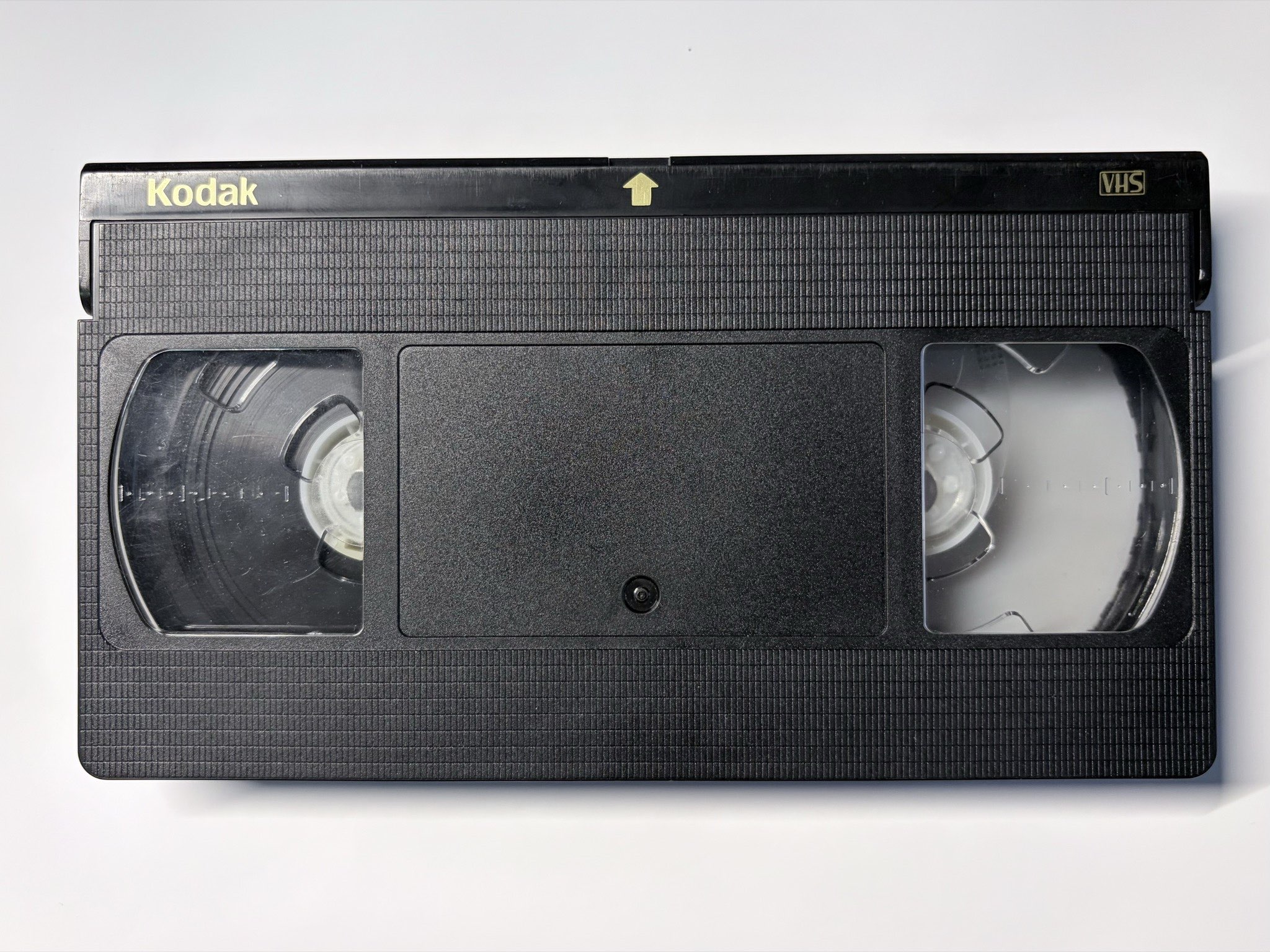
VHS
The magnetic tape's binder breaks down over time, leading to dropouts, color fading, and eventually the sticky-shed syndrome that can make a tape unplayable. Most VHS tapes are now 20–40 years old — well into the range where degradation becomes noticeable.
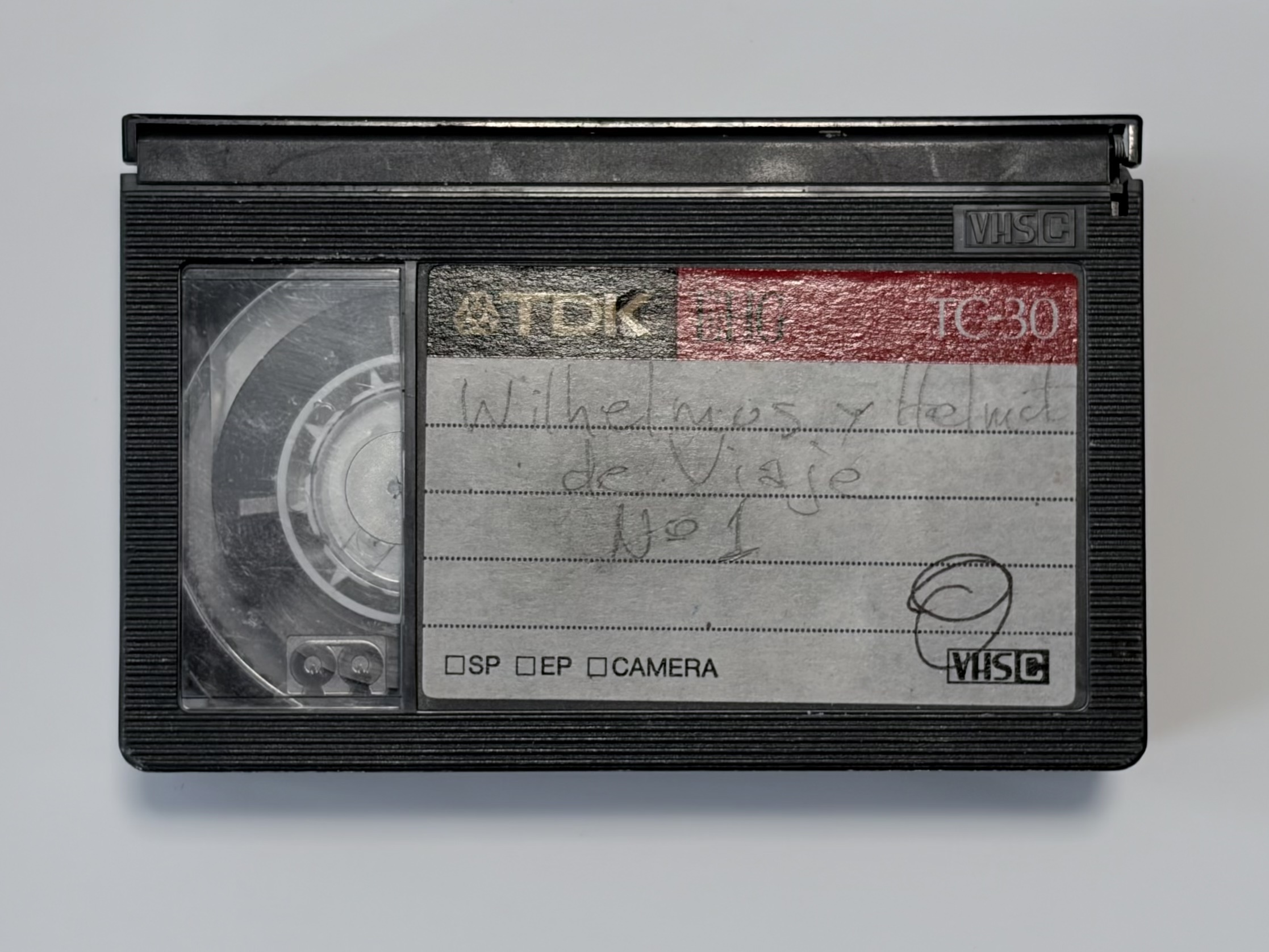
VHS-C
Same tape chemistry as full-size VHS, just in a compact camcorder cassette. Subject to the same binder breakdown — and VHS-C playback adapters/camcorders are increasingly hard to find in working condition.
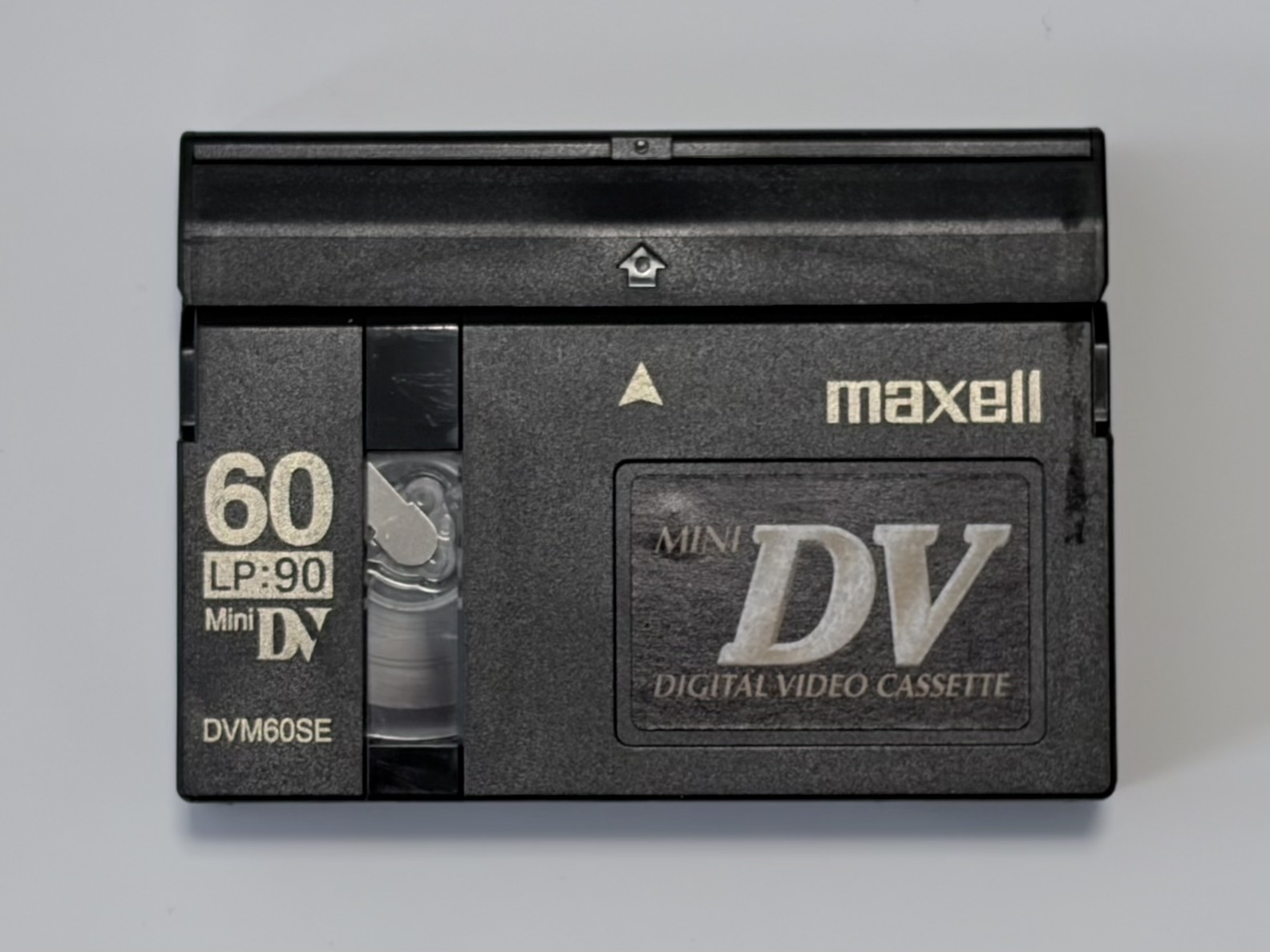
MiniDV
Records digitally, but still on physical magnetic tape — so it's still vulnerable to mold, tape stretching, and dropout errors. MiniDV camcorders and decks are no longer manufactured, making playback harder every year.
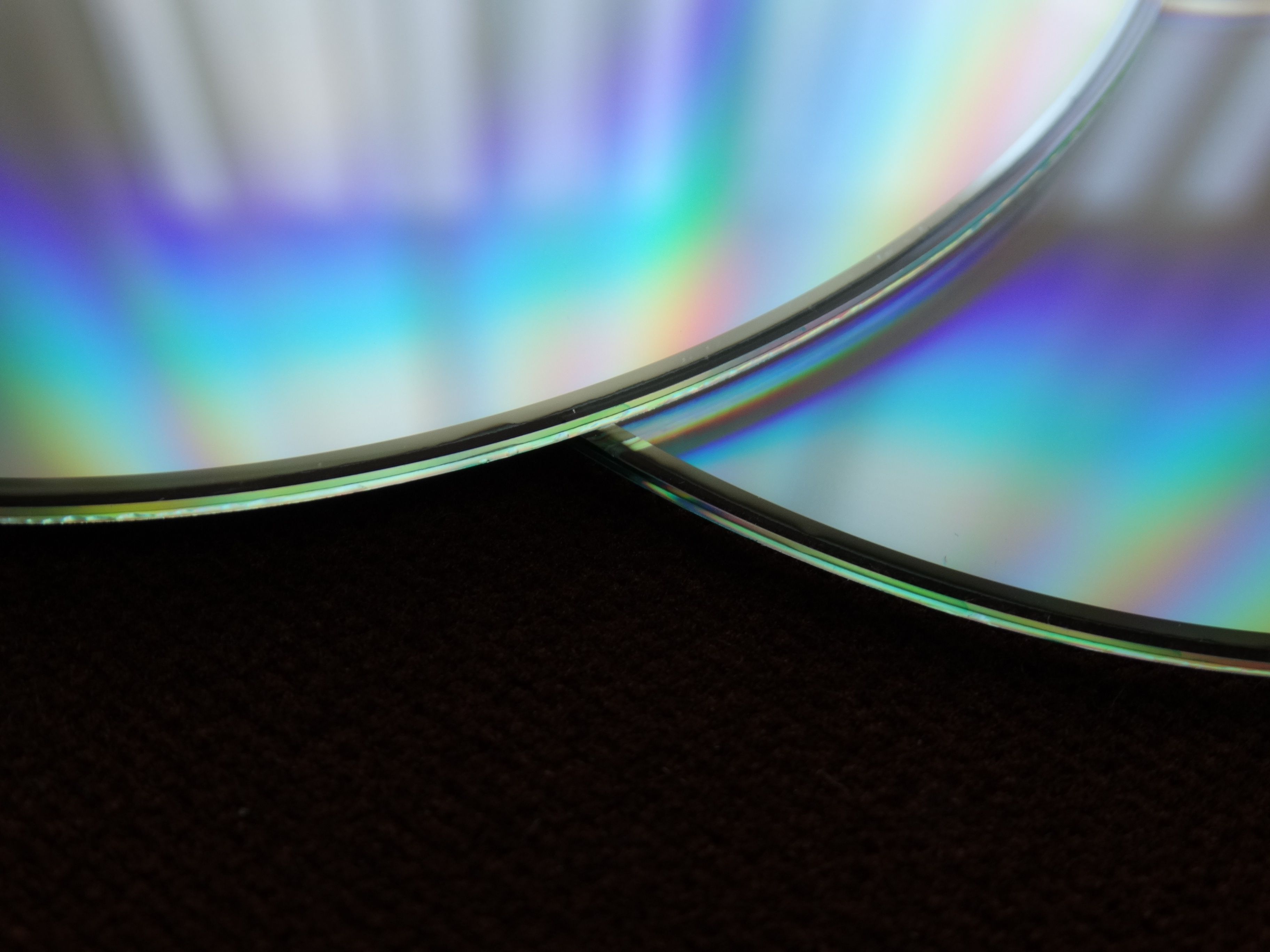
DVD
Home-burned DVDs (DVD-R/DVD+R) use a light-sensitive dye layer that can degrade over 10–25 years depending on the disc quality and how it was stored — a failure mode often called "disc rot." Scratches and delamination are common risks too.
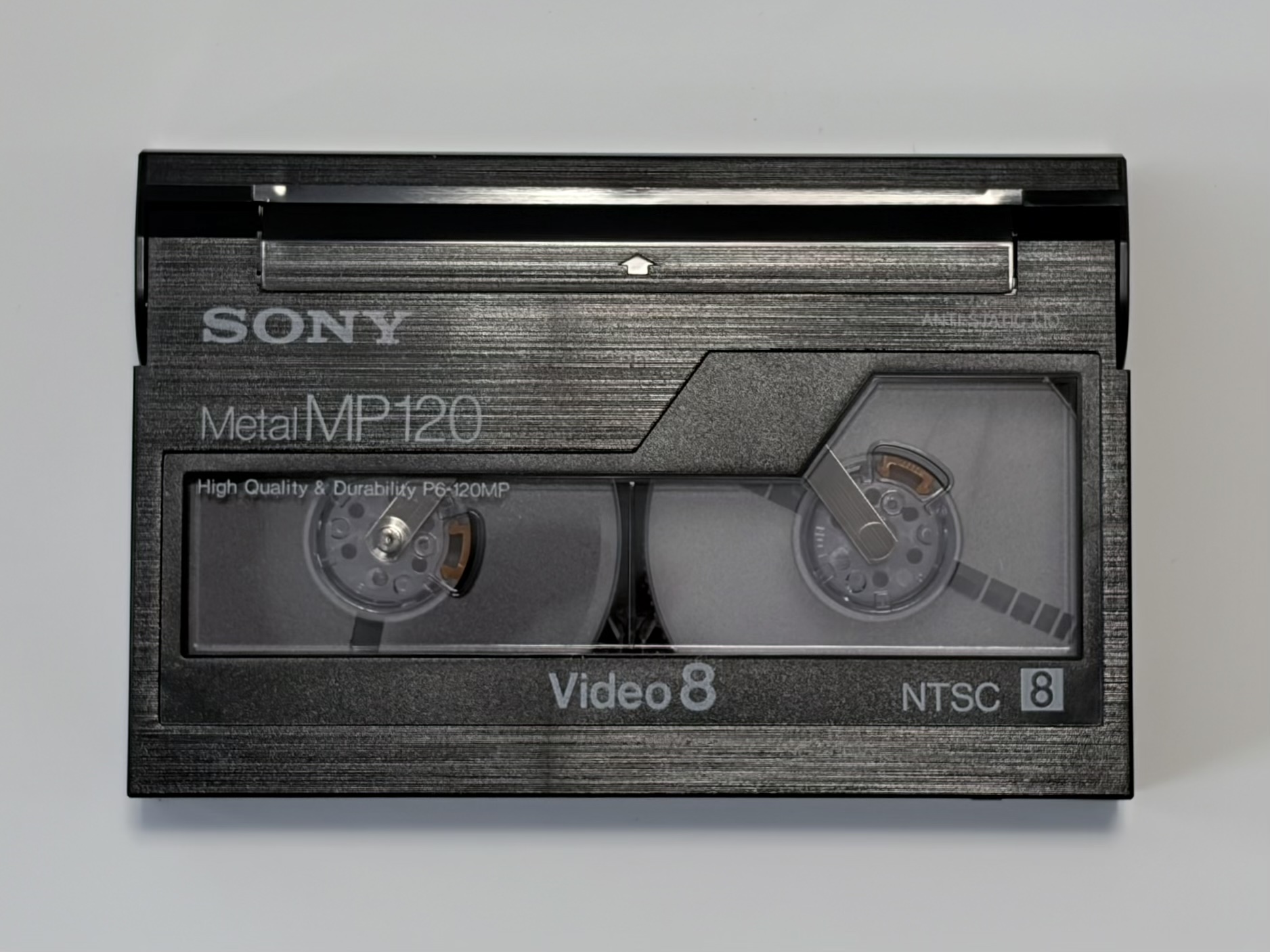
Camcorder Tapes (Hi8 / Digital8)
Like VHS, these rely on magnetic tape and are prone to binder breakdown and mold over time. Compatible camcorders are increasingly rare and expensive to maintain, making transfers harder to arrange the longer they wait.
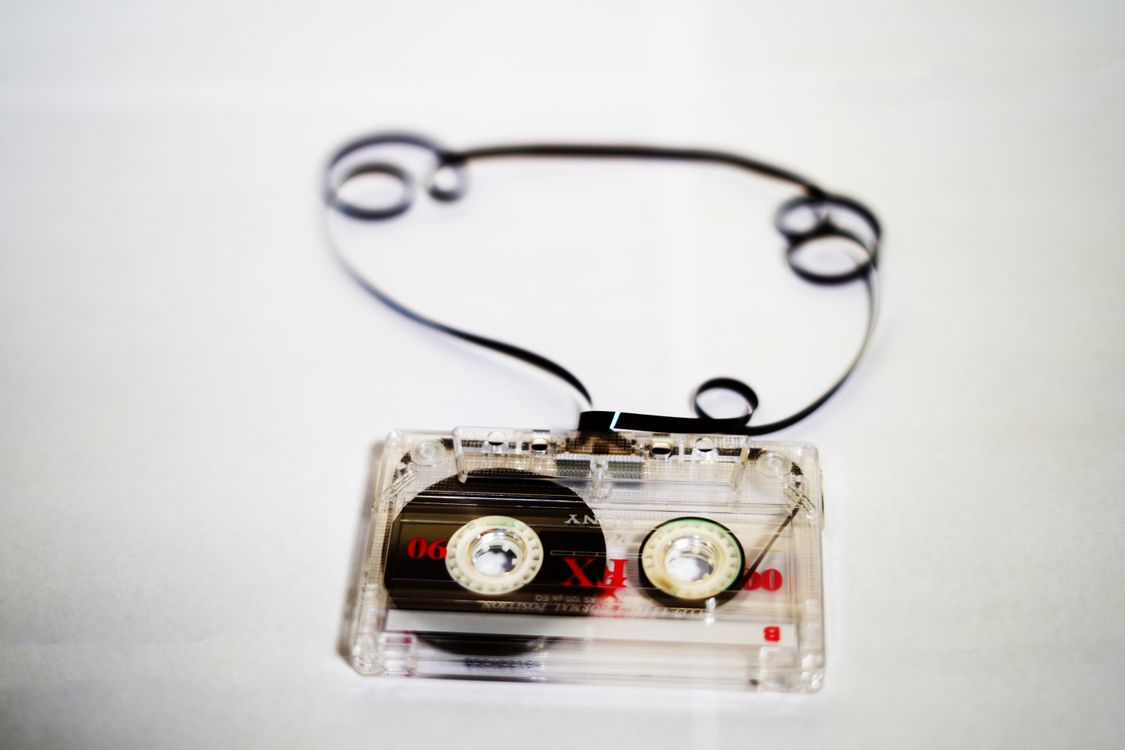
Audio Cassettes
Also magnetic tape, and also subject to binder breakdown and print-through (where the magnetic signal bleeds between layers of wound tape). Voice recordings, mixtapes, and interviews are all worth preserving before they degrade further.